

Euro Electrical & Visibility Troubleshooting: No-Start, Dead Remotes, Dash Gauge Issues, Wipers, and Exterior Lighting
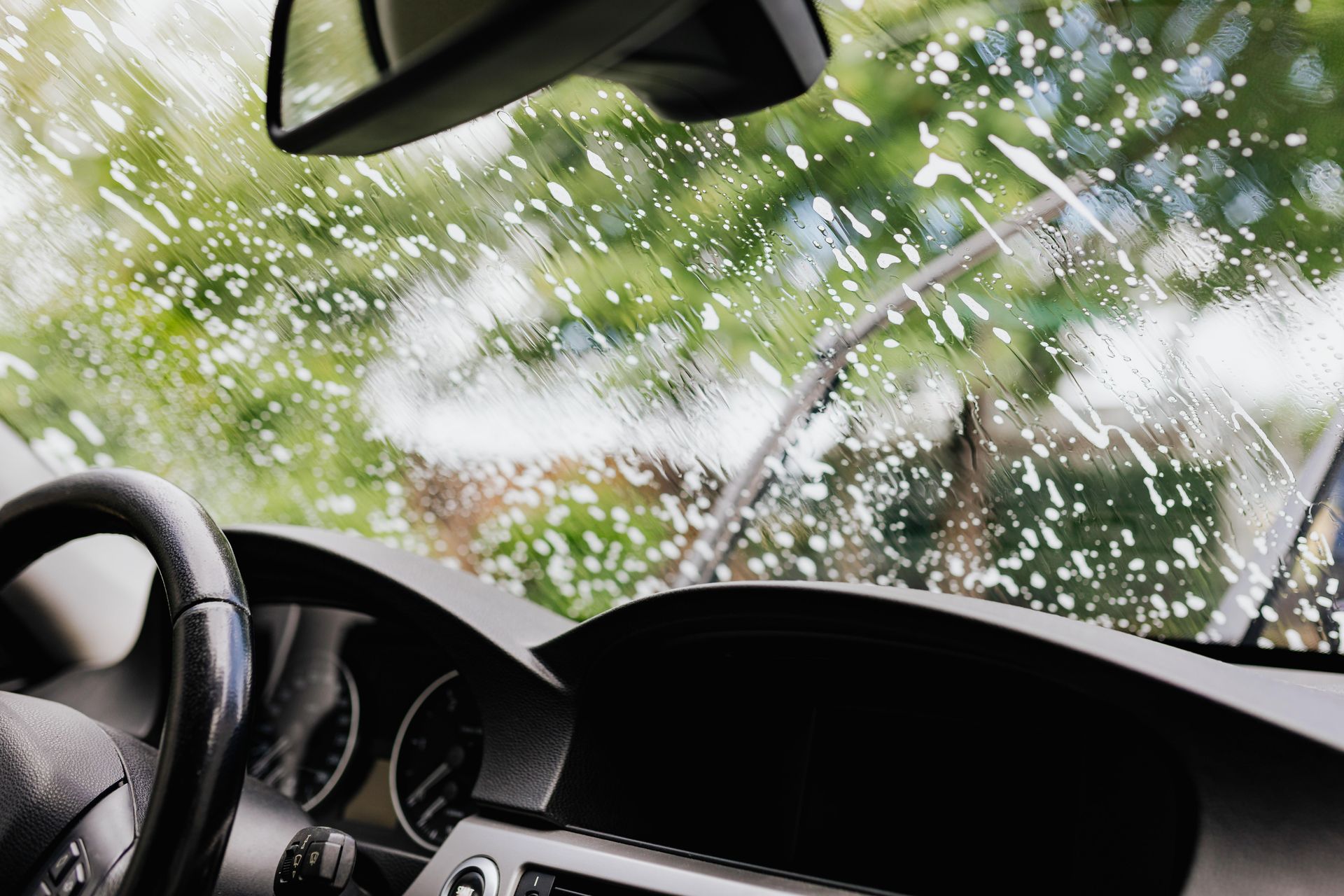
Many Euro vehicle electrical problems start with simple causes: weak batteries, poor power delivery, worn connections, failed bulbs, or tired switches. A no-start, dead remote, dark dash, odd gauge reading, or poor visibility issue can feel complicated, but the best diagnosis begins with the symptom. This guide helps you separate starting system problems from entry, dash, lighting, and wiper concerns before ordering parts.
- No crank: check the starting system first.
- Cranks but will not start: consider basic power, immobilizer, and key-related issues.
- Locks or remotes are dead: look at remotes and entry parts.
- Dash gauges or lights act strangely: inspect the cluster and illumination areas.
- Poor visibility: check lights and wipers.
Step 1- Check Power First
Weak Battery Symptoms vs Bad Starter Symptoms
A weak battery may cause slow cranking, repeated clicking, dim lights, or random electronics. A starter problem often shows up as a single click, no crank, or intermittent starting after the battery and cables test well. Begin with replacement batteries before assuming the starter has failed.
Voltage Drop Basics
Power has to travel cleanly from the battery through the cables and connectors. Corrosion, loose terminals, damaged grounds, or aged wiring can reduce available power and mimic larger failures. Inspect battery cables and connectors when starting to experience behavior changes.
Quick Visual Checks Before Buying Parts
- Look for corrosion at battery terminals.
- Check that cable ends are tight.
- Inspect visible grounds and connectors.
- Note whether the lights dim heavily during cranking.
- Confirm whether the issue happens consistently or only sometimes.
Starter Problems: No Crank, Single Click, or Intermittent Start
Common Symptoms That Point to Starter Failure
Starter issues may include a no-crank condition, a single click, intermittent operation, grinding noises, or a start that works after several tries. If the battery is strong and the cable path is clean, starter replacement parts may be the next category to inspect.
When It’s Not the Starter
A relay, battery, corroded cable, loose ground, immobilizer issue, or key problem can all prevent cranking. Do not replace the starter just because the engine does not turn over.
What to Confirm
Listen for the sound it makes, check whether the symptom changes with temperature, and confirm whether power reaches the starter circuit. Consistency matters because intermittent starts often point to connection or heat-related problems.
Voltage Regulation & Charging Clues
Battery Keeps Dying
A battery that keeps dying may be old, undercharged, drained by a parasitic draw, or affected by charging system issues. If the battery is repeatedly low after driving, the charging output and regulation should be checked.
Signs of Overcharging or Undercharging
Undercharging can cause dim lights, weak starts, and repeated dead batteries. Overcharging can stress bulbs, electronics, and the battery. When charging behavior is unstable, inspect the voltage regulator parts.
Keys, Remotes, and Entry Issues
New Remote vs New Key Blank
A remote handles lock, unlock, and entry functions. A key blank is the physical key planning side. If the remote buttons fail or the range drops, look at replacement key fobs and remotes. If you need a spare physical key, start with key blanks for spares.
Lost Key Scenarios
Lost keys require planning. Cutting, pairing, and programming needs vary by vehicle, so confirm requirements before ordering. For added convenience, remote start and keyless entry systems may fit some upgrade plans.
Door Lock Hardware Symptoms
Sticking locks, an inconsistent latch feel, or a door that will not lock smoothly may point to mechanical hardware, not the remote. Review door lock hardware and related parts when the physical door operation feels wrong.
Dash Problems: Dead Cluster, Flickering Needles, or Wrong Readings
Cluster vs Individual Gauge
A dead cluster is different from an inaccurate gauge. Flickering needles, blank displays, or multiple failed readings may point toward the cluster area. A single wrong reading may involve the gauge, wiring, or a related sensor.
Use instrument cluster parts when the main driver display needs repair planning.
Gauge Sets, Trim, and Dash Fitment
Broken clips, rattles, faded panels, or damaged dash pieces can make the driver's area feel worn. For appearance and fitment repairs, review gauge sets and dash panels, gauge trim pieces, and dash interior parts.
Fuel Gauge Issues
A fuel gauge that reads empty after a fill-up, stays stuck, or moves erratically can quickly become frustrating. If the gauge area is part of the concern, check fuel gauge parts.
Instrument Panel Lights: When the Dash Goes Dark
Dimming Issues and Backlighting Failures
If the gauges work but the lighting is out, the problem may be illumination-specific. Dimming issues, flickering, partial backlighting, or a dark dash can make nighttime driving harder.
Why Fix Illumination Early
Good dash lighting helps you see speed, fuel level, warnings, and vehicle status. Missed warnings at night can become a safety issue. Use instrument panel light parts when illumination is the problem.
Exterior Lighting for Visibility & Safety
Corner Lights and Side Markers
Small exterior lights help other drivers see your vehicle’s position and movement. Cracked lenses, moisture, or failed bulbs can reduce visibility. Shop corner light assemblies and side marker light parts by fitment.
Fog and Driving Lights
Fog and driving lights support visibility in certain low-light or poor-weather situations, but their low mounting location makes them prone to road damage. Check fog and driving light parts if the lens is cracked, the lamp is out, or moisture is inside.
Quick Checks
- Look for moisture inside the housing.
- Inspect sockets and connectors.
- Compare left and right brightness.
- Check for cracked lenses or loose mounting.
For related lighting items that do not fit a main category, use other lighting components.
Interior Lights: Small Fix, Big Quality-of-Life Upgrade
Door-Triggered Lights, Dome Lights, and Cargo Lights
Interior lights help with entry, loading, and nighttime convenience. If dome, map, or cargo lights fail, the issue may be a bulb, switch, fuse, or door-triggered circuit. Review interior lighting parts for cabin lighting repairs.
When a Switch or Control Is the Culprit
If a light works manually but not with the door, or works only in one switch position, the control side may need inspection. The pattern of failure is more useful than replacing every bulb at once.
Windshield Wiper Blades: If You Can’t See, Nothing Else Matters
Streaking vs Chattering vs Skipping
Streaking usually means worn rubber, contamination, or poor glass contact. Chattering can come from hardened blades, dirty glass, or poor arm pressure. Skipping may point to blade shape, attachment fit, or windshield condition.
Blade Fitment Basics
Choose blades by length, attachment style, and vehicle fitment. A blade that is too long can hit trim or another blade, while the wrong connector may not lock securely. Replace worn windshield wiper blades before rain makes the problem urgent.
Optional Modernization: Add Hands-Free Without Replacing the Whole Head Unit
When a Bluetooth Kit Makes Sense
For an older daily driver, hands-free calling can make the cabin feel more current without a full audio overhaul. If safer phone use is the goal, review Bluetooth hands-free kits.
Buying the Right Electrical Parts Online
Confirm Fitment First
Electrical and lighting parts can vary by year, trim, engine, market, chassis code, and option package. Confirm the vehicle details before ordering, especially for clusters, remotes, lighting, and starter parts.
Watch Left/Right and Regional Differences
Exterior lamps, locks, dash parts, and some entry components may be side-specific or market-specific. Match the part to the correct position and application.
Don’t Shotgun Parts
Use the symptom map:
- No crank: battery, cables, starter, and regulation.
- Remote or entry issue: fob, key, entry system, and lock hardware.
- Dash issue: cluster, gauge, illumination, or dash part.
- Visibility issue: exterior lighting, interior lighting, or wiper blades.
FAQ
Clicking but No Crank - Battery or Starter?
Repeated clicking often points toward a weak battery or poor connection. A single click with a strong battery can point more toward the starter circuit. Check the battery and cables first.
Why Do My Lights Get Dimmer at Idle?
Dimming at idle can come from weak charging output, voltage regulation issues, poor grounds, or aging electrical connections. If it happens often, inspect the charging system.
My Remote Works Up Close Only - What Should I Replace First?
Start with the remote battery if serviceable, then consider the fob condition, pairing status, and receiver-related issues. If the fob is damaged or unreliable, a replacement remote may be needed.
Dash Lights Are Out but Gauges Work - What’s Likely?
If the gauges still read correctly but the dash is dark, the issue is likely in the illumination side, dimmer setting, panel lighting, fuse, or related connections.
Why Does My Fuel Gauge Read Wrong After Fill-Ups?
An erratic fuel gauge can involve the gauge, wiring, cluster area, or fuel level signal. Note whether it reads wrong all the time or only after refueling.
Wrap-Up + Next Steps
Euro electrical troubleshooting works best in order: start with power delivery, then move to starting, entry controls, dash gauges, lighting, and wipers. Match the symptom to the right category before buying parts. Use the links above for starter replacement parts, replacement batteries, replacement key fobs and remotes, instrument cluster parts, fog and driving light parts, and windshield wiper blades based on the exact problem you have.