

Fix the “Everyday Annoyances” in Your European Car: A Cabin Controls & Dash Refresh Checklist
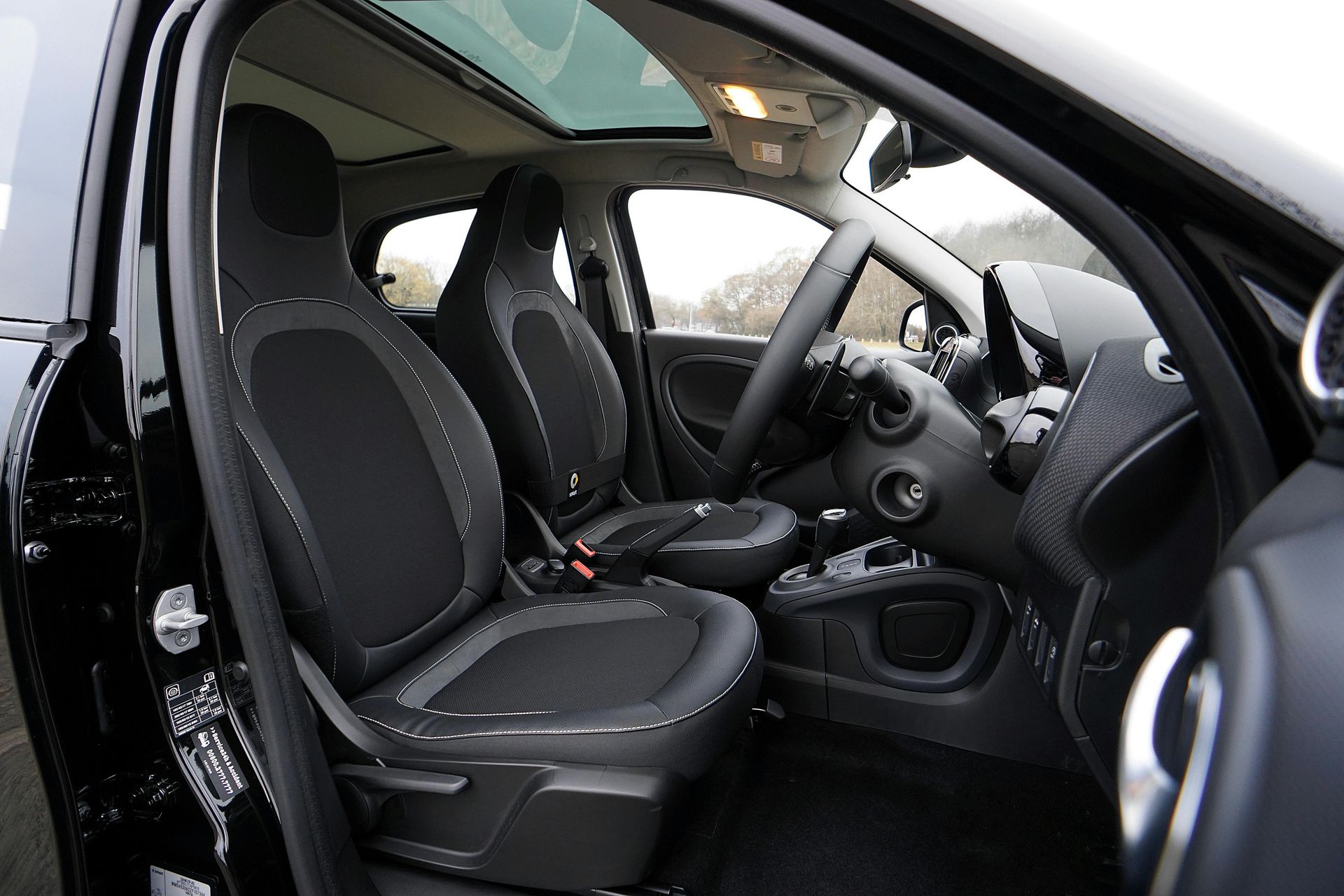
Your European car may run well, shift smoothly, and still feel frustrating every time you drive it. A sticky door handle, slow window, dead dash light, peeling trim, inaccurate fuel gauge, or flaky key fob can make an otherwise solid vehicle feel older than it is. These are not always major mechanical problems, but they affect your daily comfort, confidence, and safety.
This checklist focuses on the parts you touch, see, and use every day inside the cabin. You will find quick checks, common failure patterns, and practical part categories to shop when you want to refresh gauges, dash lighting, switches, doors, windows, locks, keys, remotes, and small comfort items without turning the project into a full restoration.
Start With Symptoms: What’s Bugging You Most?
Pick your pain point
- Dash is dark or warning lights are hard to read.
- Fuel gauge is inaccurate or moves unpredictably.
- Windows are slow, stuck, uneven, or noisy.
- Door handle feels loose, brittle, or inconsistent.
- Door panel rattles, flexes, or looks warped.
- Remote works sometimes, buttons are cracked, or keys are missing.
- Cabin feels worn because of seats, console pieces, storage, or trim.
Your 20-minute inspection flow
Sit in the driver's seat with the car safely parked. Turn on the lights and check the cluster, dash illumination, warning indicators, and interior lamps. Test every nearby button, switch, lock, window, and handle. Open and close the driver's door several times. Listen for rattles, scraping, clicking, and loose trim. Then test the remote, spare key, Bluetooth setup, and any entry features you use every week.
Driver Information You Can Trust: Gauges, Clusters, and Dash Fitment
Instrument cluster issues that matter
The instrument cluster is easy to ignore until it becomes hard to read. Dim backlighting, intermittent displays, flickering indicators, or warning lights you cannot clearly see should be handled sooner rather than later. Sometimes the fix is a small bulb or lighting component. Other times, age, pixel failure, or internal wear may point toward instrument cluster replacements.
Before buying major parts, confirm the symptom. Check whether the issue affects one light, one gauge, or the whole cluster. A single dark area often suggests a localized lighting issue, while multiple display problems may need a broader inspection.
Gauge sets, dash panels, and trim
Cabin wear can make a good car feel neglected. Loose bezels, cracked panels, missing trim, and rattles around the dash affect more than looks. Poorly fitted trim can create glare, movement, and distraction. If your dashboard has broken or mismatched pieces, compare gauge sets and dash panels, gauge trim pieces, and dashboard interior parts that match your repair goal.
Fuel gauge accuracy
A fuel gauge problem is more than annoying. A stuck needle, fluctuating reading, or tank that shows empty too early or too late can change how you plan every trip. Start by watching when the issue happens. Does the gauge move after refueling? Does it drop suddenly? Does it only misread at a certain level? Once you know the pattern, shop for the right fuel gauge components instead of guessing.
Interior Illumination: See Controls at Night Without Overhauling the Car
Instrument panel lights vs. interior lights
Instrument panel lights help you read the cluster, climate controls, and dashboard at night. Interior lights cover dome lights, reading lamps, footwell lighting, and other cabin visibility points. If the cluster is hard to read, start with the instrument panel light components. If the cabin feels dark when entering or looking for items, review interior lighting parts.
Replacing related lights in sets can keep brightness and color more consistent. Mixing old and new bulbs often leaves one area looking sharp while the other looks tired.
Common reasons cabin lighting disappoints
Aged bulbs, mismatched replacements, dirty lenses, and loose sockets are common causes. Clean the lens covers where possible, confirm the bulb fitment, and avoid blindly replacing parts if the problem follows a socket or switch.
Switches & Controls: Buttons That Should Work Every Time
Which switches fail most often
The switches you touch most are usually the first to feel worn. Window switches, lock buttons, console controls, mirror controls, and nearby driver buttons deal with repeated use, dust, spills, and heat cycles. Sticky movement, a weak click, or a switch that only works after pressing hard are all warning signs.
Refresh plan
Start with the control you use most. Replacing the driver-side switch pack or high-touch button can change the feel of the whole cabin. Also, check the surrounding trim. A good switch installed into loose mounting can still feel cheap or unstable. For these repairs, browse interior switches and controls and related console and center trim parts.
Doors & Windows: Smooth Operation, No Rattles, No Drama
Window motors vs. window cranks
Slow power windows, clicking sounds, glass that tilts, or movement that stops halfway may point toward the motor, regulator area, guides, or related parts. If your car has manual windows, slipping, binding, or a loose handle may call for window crank parts. For power-window issues, compare window motor parts after confirming which door is affected.
Door panels and interior handles
Door panels hide many of the small problems that make a cabin noisy. Broken clips, warped panels, missing fasteners, and loose inserts can create rattles every time you hit a bump. Replacing damaged interior door panel parts can restore the solid feel you expect from a European cabin.
Interior handles deserve attention, too. A loose handle, delayed latch release, or brittle plastic can turn every entry and exit into a small hassle. In many cases, interior door handle replacements are one of the most noticeable daily upgrades.
Restore the driver door first
The driver's door gets the most use, so start there. Fix the handle, window operation, lock feel, and panel rattle first. Then repeat the same checks on the passenger and rear doors as needed.
Entry & Security: Locks, Handles, Keys, and Remotes That Just Work
Exterior door handles and lock hardware
A stiff exterior handle, a handle that does not return, a latch that needs multiple pulls, or a key cylinder that resists turning should not be ignored. Entry hardware affects convenience, security, and how confidently the door closes. Look at exterior locks and latch hardware and exterior door handle replacements when the outside entry point feels worn.
Replacement remotes and key blanks
If your remote only works at close range, has cracked buttons, or responds inconsistently, it may be time to simplify your key situation. Replacement remotes and key fobs can help restore everyday convenience, while replacement key blanks are useful when you want a spare or need to replace a damaged key.
Remote start and entry systems
Remote start and keyless entry systems can make sense for drivers who want extra convenience, especially in very hot or cold weather. Keep the buying process compatibility-focused. Match the system to your vehicle, existing electronics, and intended use before planning installation.
Cabin Comfort Touchpoints: Console, Shift Boot, Cup Holders, Seat Covers
Small cabin parts shape how the car feels every day. A broken console lid, worn hinge, missing insert, or loose trim can make storage awkward and noisy. Torn shift boots and worn knobs can make the interior look tired and may allow extra noise around the shifter area. Consider shift knobs and shift boots when the center area needs a cleaner feel.
Simple storage fixes matter too. Cup holders and interior accessories improve daily usability, especially if the original pieces are cracked, missing, or poorly fitted. For worn upholstery or extra protection, seat cover options can help keep the cabin cleaner while matching the style you want.
Hands-Free Quality-of-Life: Bluetooth That Fits Your Daily Driving
A Bluetooth kit makes sense if your older head unit lacks easy phone pairing, you take work calls, or you want a cleaner hands-free setup. Focus on microphone placement, call clarity, pairing simplicity, and how you control calls while driving. Shop bluetooth hands-free kits with your daily routine in mind, not just the feature list.
Build Your Cart Paths
My dash is dim or hard to read
Start with instrument panel lighting, then inspect the cluster, gauge trim, and dash parts if the problem includes damaged fitment or poor visibility.
My windows or door feel worn
Check window motors or cranks first, then review interior door handles, door panel components, locks, and exterior handles.
My remote or keys are a mess
Begin with replacement remotes, add key blanks for backup, then consider remote start or keyless entry if convenience is the bigger goal.
My cabin looks tired
Refresh console parts, shift boots, cup holders, and seat covers before moving into larger interior repairs.
Frequently Asked Questions
Should I replace cluster bulbs before replacing the whole cluster?
Often, yes. If only one area is dark, bulbs or lighting components may be the first place to check. If displays, gauges, or multiple indicators act up, inspect the cluster more broadly.
Why does one window slow down first?
The driver window usually gets the most use, so its motor, guides, switches, and related parts may wear before the others.
What causes door panel rattles after years of driving?
Common causes include broken clips, loose fasteners, warped panels, worn inserts, and parts that were not reinstalled tightly after past repairs.
Do I need a spare key blank if I have a working fob?
A spare key blank is useful if your main key is lost, cracked, or damaged. It can also reduce stress when multiple drivers share the car.
What’s the quickest interior upgrade that feels new?
Fix the part you touch most. A fresh door handle, working switch, brighter dash light, or repaired console often makes the cabin feel better immediately.
Refresh the Cabin One System at a Time
Fixing cabin controls can improve daily driving more than many owners expect. Start with safety and visibility, especially the driver door, dash lights, gauges, locks, and windows. Then move into convenience items like remotes, Bluetooth, cup holders, shift trim, and seat protection. A staged approach keeps the project manageable and helps your European car feel easier to use every time you get behind the wheel.